Project: Case study, Semester assignment at Noroff, fall 2024
Role: UX-Designer
Client: Nabostylisten
Team/Individual work: Team of three students
Time spent on project: 4 weeks

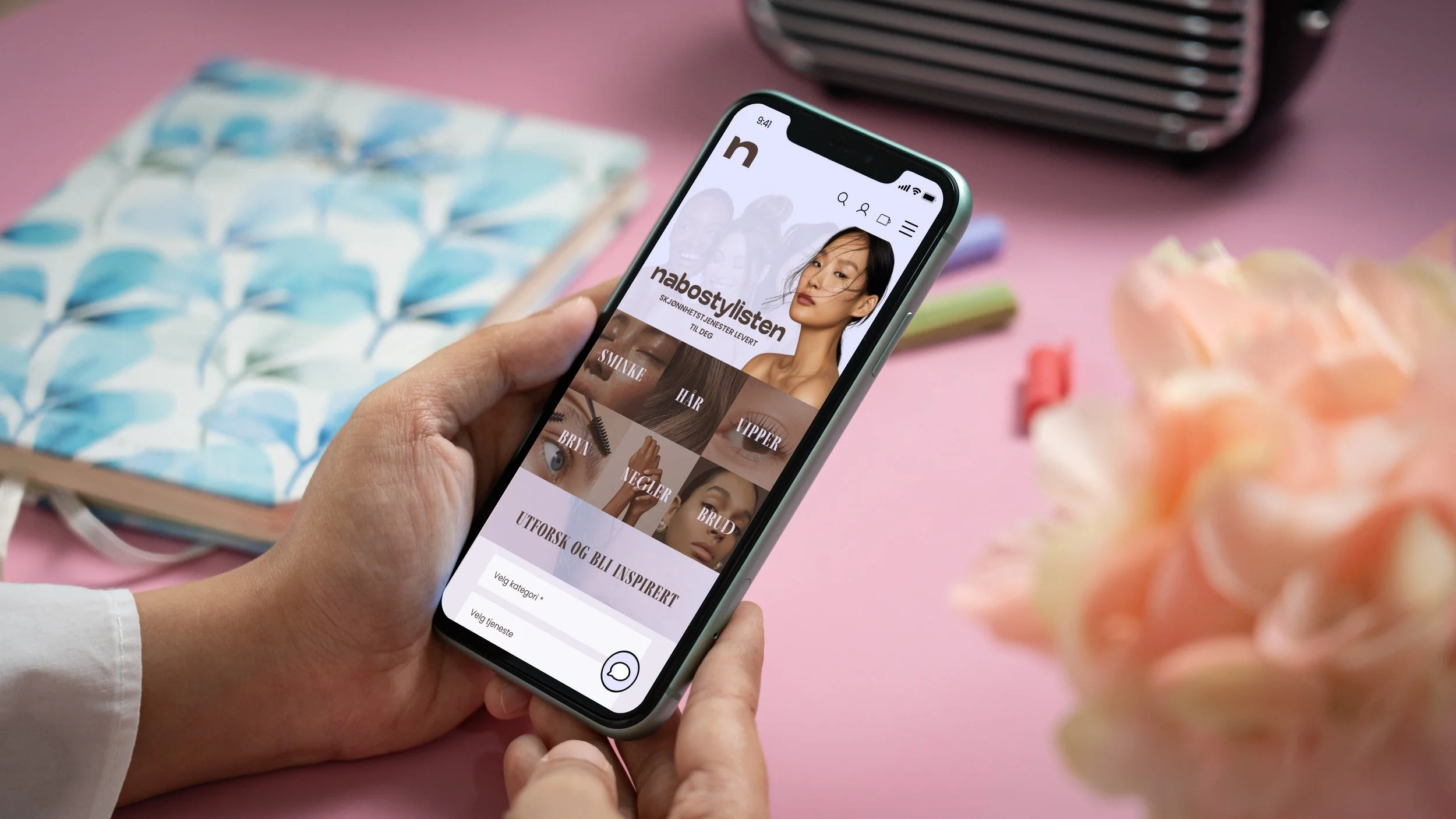
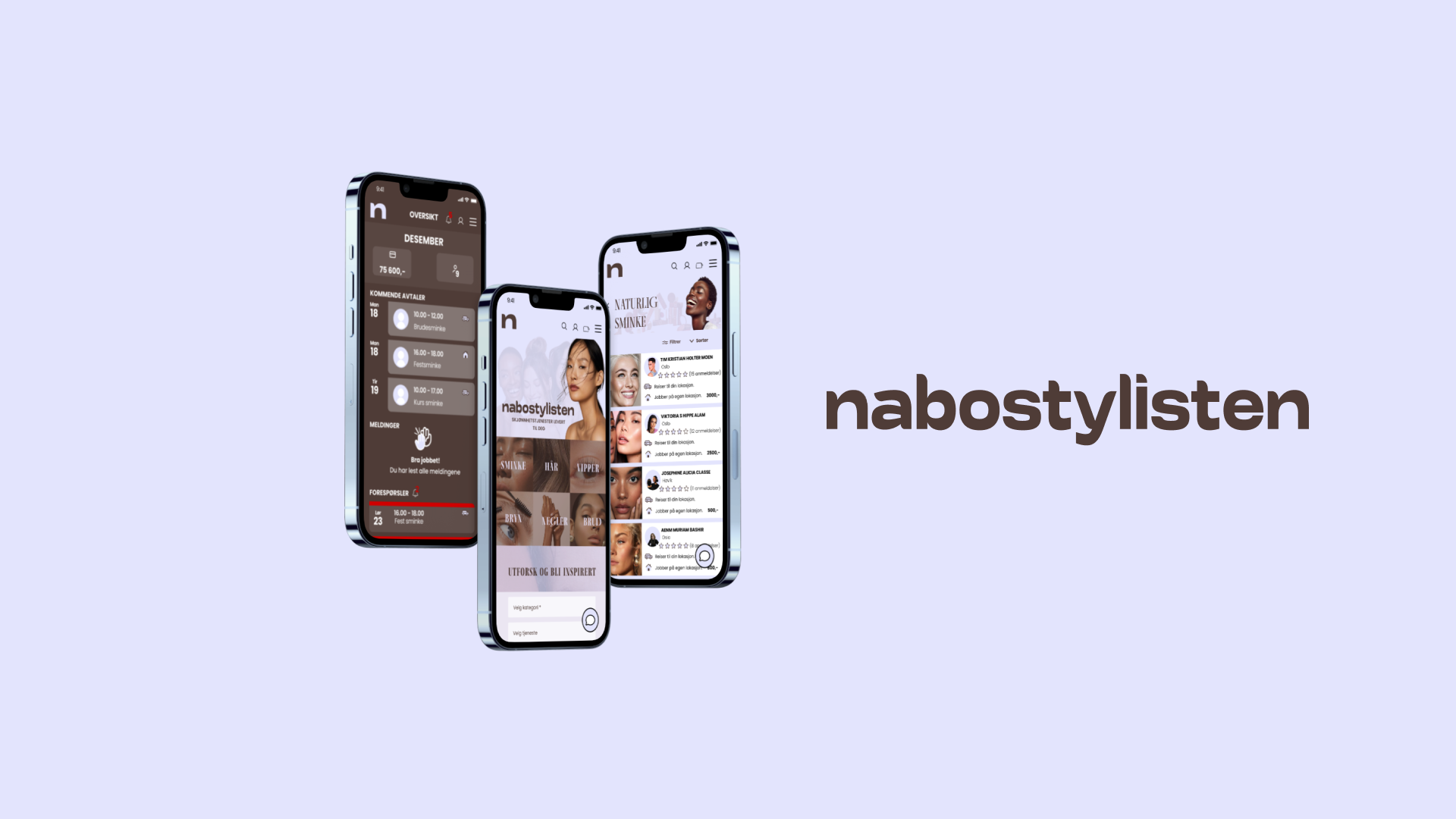
Nabostylisten.no is a unique platform designed to connect users with beauty service providers across Norway. Despite its potential, users faced significant challenges in navigating the site. Customers struggled to find, compare, and evaluate stylists, while stylists had difficulty managing their visibility. Our hypothesis was that by enhancing the site's navigation and information architecture, we could significantly improve both the user experience and business efficiency.
Background
“Success for us is when Nabostylistens customers can find and book a nearby stylist that suit their needs, all over Norway.
And when stylists easily can use Nabostylisten to attract customers.”
- Thomas Erdis, Founder Nabostylisten
Our process began with a deep dive into the client’s brief to fully understand Nabostylisten’s vision and goals. We then crafted a detailed research plan. Utilizing a combination of exploratory usability testing, interviews, survey, and competitor analysis, we gathered both qualitative and quantitative data on user pain points. Key issues identified included poor navigation, slow load times, and the absence of essential features like rating systems and reviews.
Understanding the problem
To represent our findings and guide our design, we created personas and user scenarios, focusing on the customers as our primary persona and stylists as our secondary. These personas helped ensure our design decisions were user-centered and addressed the specific needs and frustrations identified during our research.
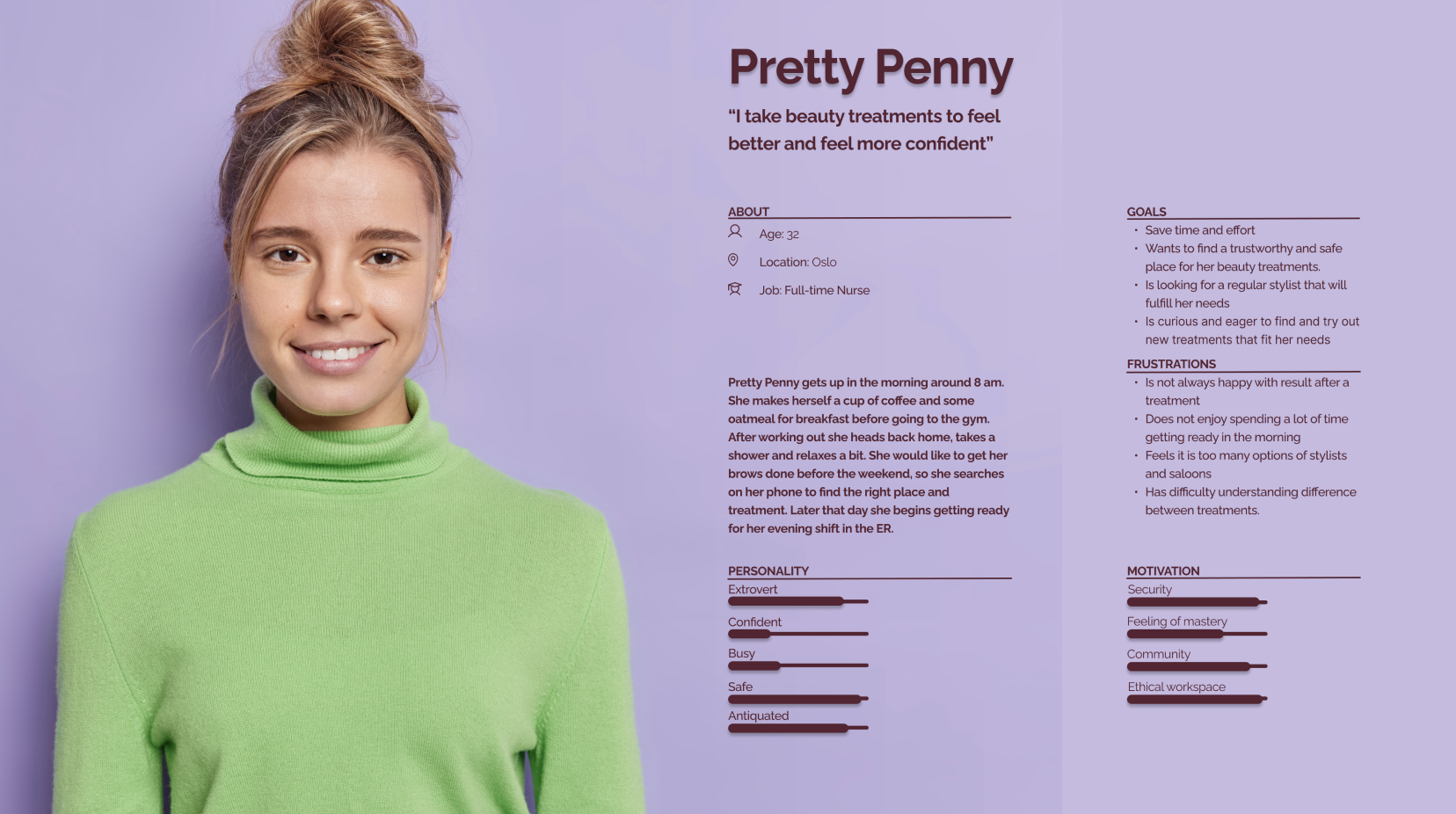
Primary Persona

Secondary Persona
Ideation
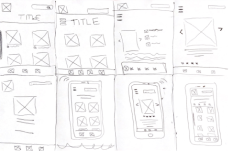
To generate ideas, we conducted a workshop that included exercises like mind mapping and Crazy Eights. We invited another group to join, which provided diverse perspectives and enhanced creativity. All members in the team got to facilitate one exercise each. Through these activities, we identified several potential solutions that would help addressing the users' frustrations and improving their experience on the site.
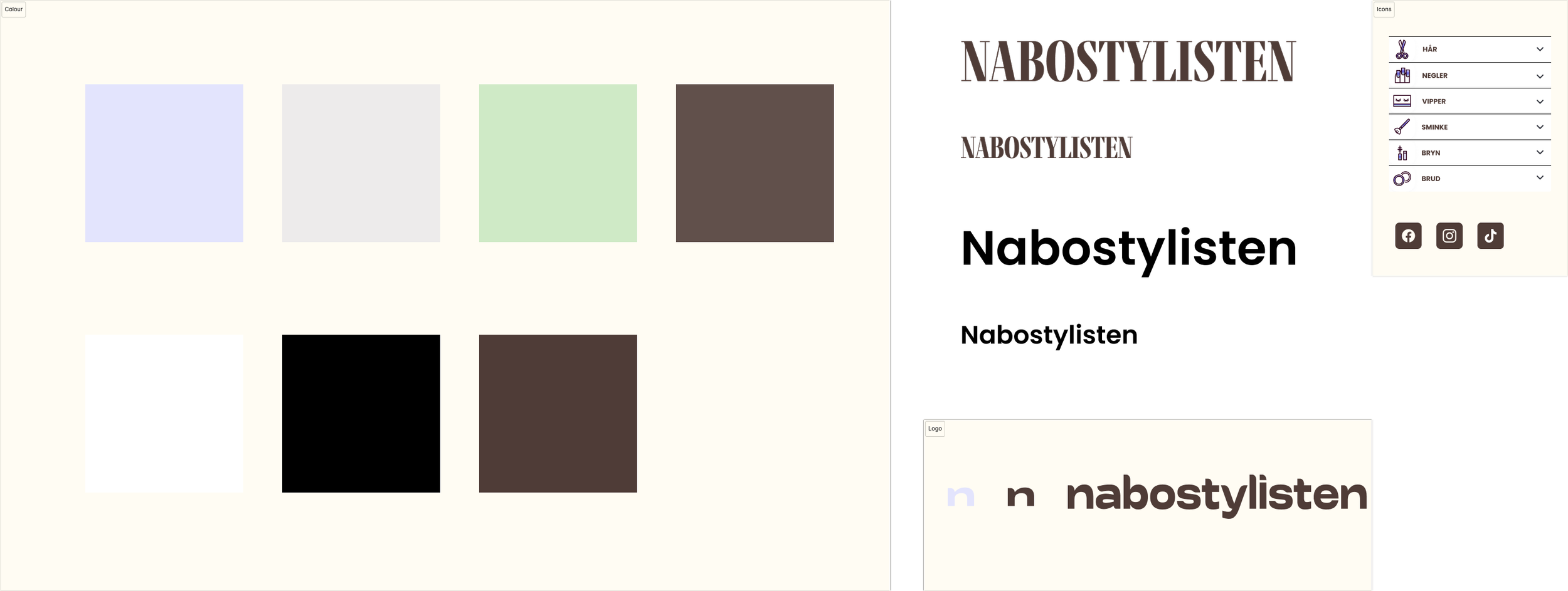
Style guide

Wireframes
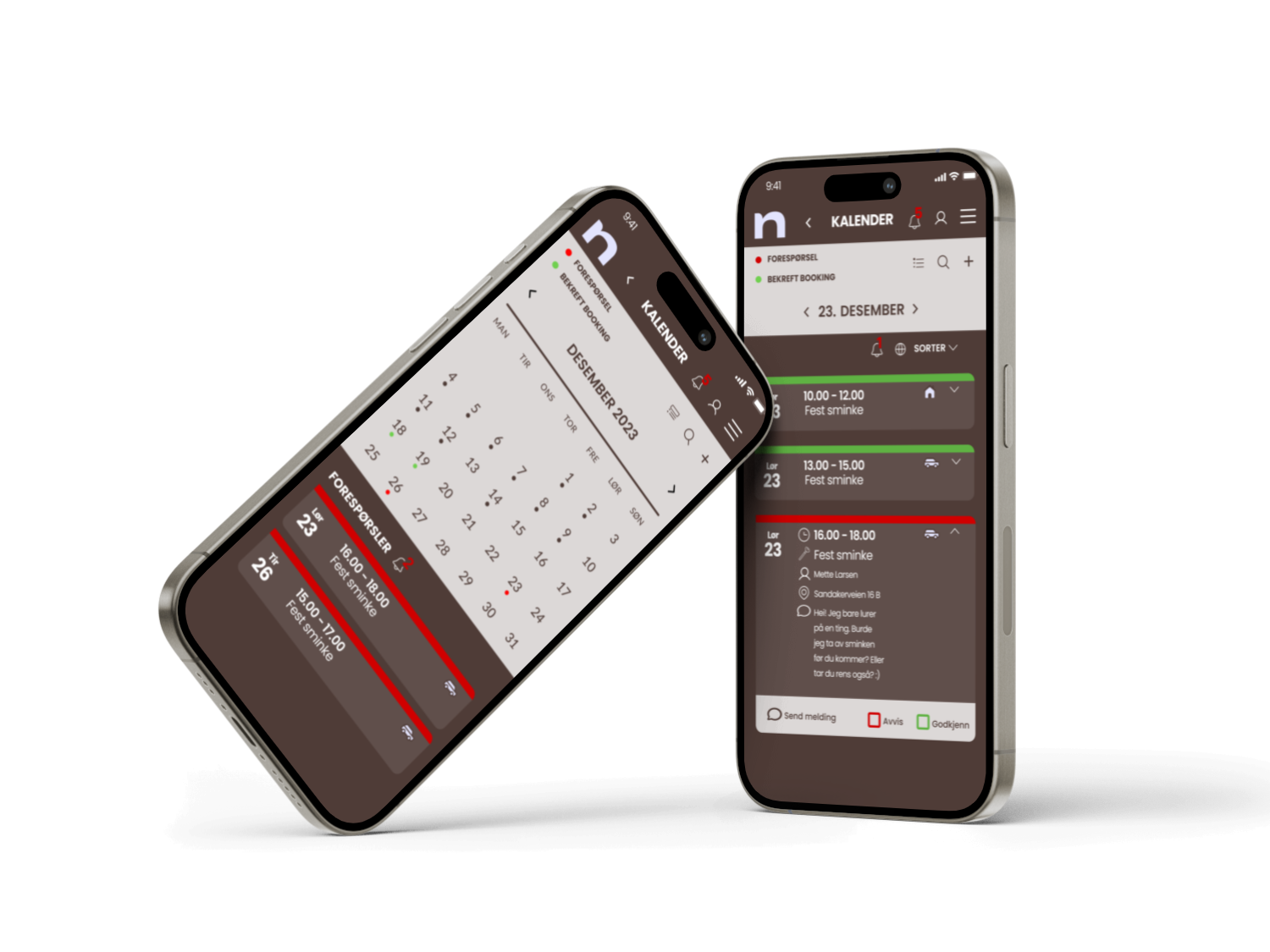
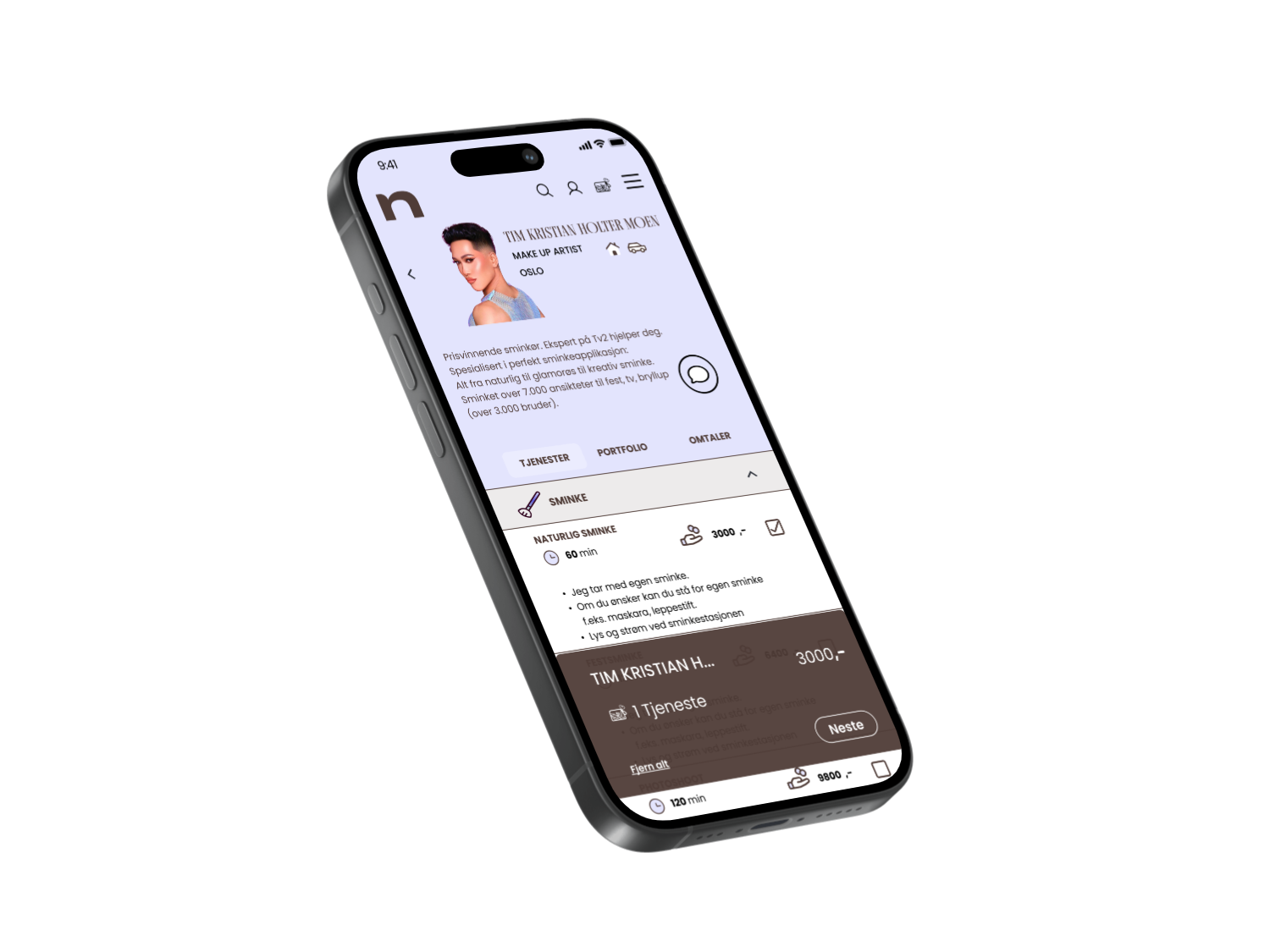
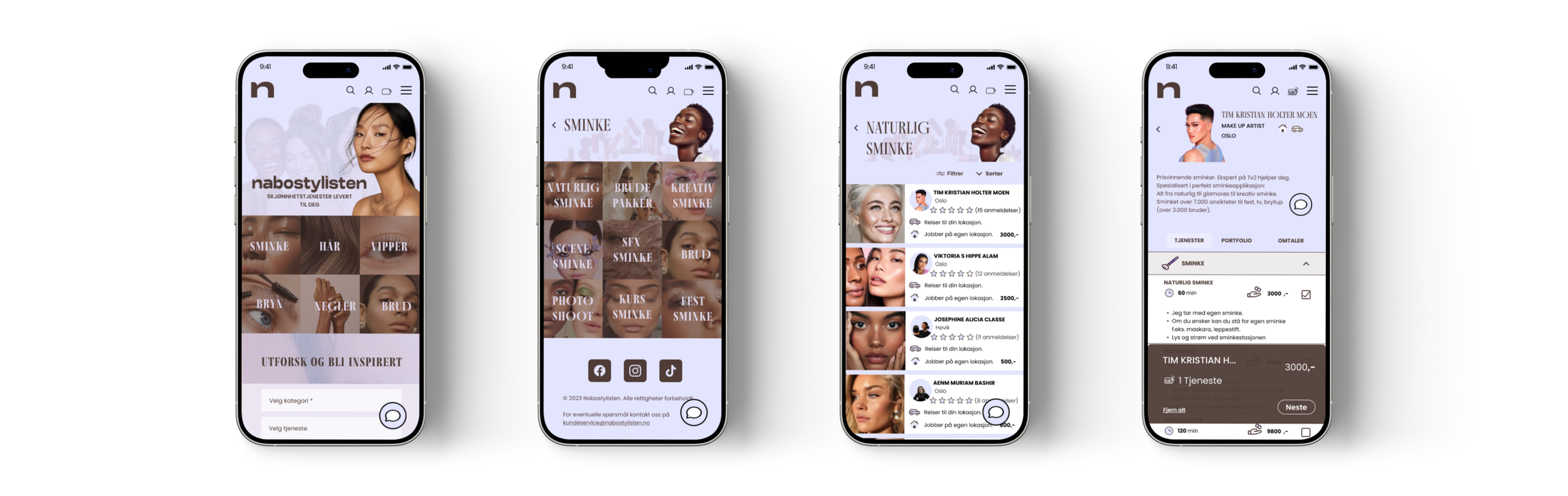
Based on insights gathered from our research phase and ideas from the workshop. We restructured the information architecture to make it easier for users to locate, compare, and evaluate services. We enhanced the stylists overview of their business and introduced new features such as a streamlined booking system.
Testing
We conducted usability tests on the existing site and our prototype, using a scenario-based approach to evaluate task completion rates, error rates, time on task and user satisfaction. Participants were asked to perform tasks such as booking a makeup artist for a home visit or checking a stylist’s calendar. The feedback and metrics collected during these tests provided us with valuable insights.

Challanges
Balancing the needs of two distinct user groups, customers and stylists, was a significant challenge. We had to ensure that the site catered to both without compromising usability. And also finding the time during this assignment to go through the design thinking process on both our personas.


Takeaways
My contribution to the project
Our team collaborated closely, dividing tasks to maximize each member’s strengths. My primary responsibilities included conducting research, synthesizing research findings, facilitating workshops, sketching and usability tests. We maintained continuous coordination to ensure our work was cohesive and aligned with our project objectives.
What I learned
Design thinking process- How to use the design thinking process to solve complex user experience issues
Research phase- A thorough research phase will improve your final product.
Empathy in design - By understanding the users' needs and frustrations, we were able to create a product that genuinely improved their experience.

“This team managed to see the big picture and the platforms position in the market, their work focused on the different users, marketing strategies, incentives and revenue streams built in the design to create a seamless experience for the user and a feeling of totality. ”
Anne Mathilde, Co-founder at Nabostylisten
“She is structured and easy to work with, an excellent sparring partner and a natural leader. With a strong business minded and extensive knowledge, she made significant contributions to the project. I was fortunate to work with her and hope to have the opportunity to do so again in the future.”
Veronika Hong Berg Haugland, team member